More Information
| Botanical Name |
Citrullus lanatus |
| Seeds Per Pack |
15 |
| Life Cycle |
Annual |
| Min. Time to Germinate |
5 Days |
| Max. Time to Germinate |
7 Days |
| Depth to Sow Seeds |
1/2 in. |
| When to Sow |
Indoors 2-4 weeks before last spring frost, Outdoors after all danger of spring frost is past |
| Growing Height |
6-12 in. (15-30 cm) |
| Plant Spacing |
10-12 ft. (3-3.6 m) |
| Hardiness |
N/A |
| Sun Exposure |
Full Sun |
| Danger |
N/A |
| Other Details |
Average Water Needs; Water regularly; do not overwater, This plant is attractive to bees, butterflies and/or birds |
| Soil pH Requirements |
6.1 to 6.5 (mildly acidic), 6.6 to 7.5 (neutral) |
| Days to Harvest |
80-90 |
| Propagation Methods |
From seed; direct sow after last frost, From seed; sow indoors before last frost |
| Seed Collecting |
Allow unblemished fruit to ripen; clean and dry seeds, Properly cleaned, seed can be successfully stored |
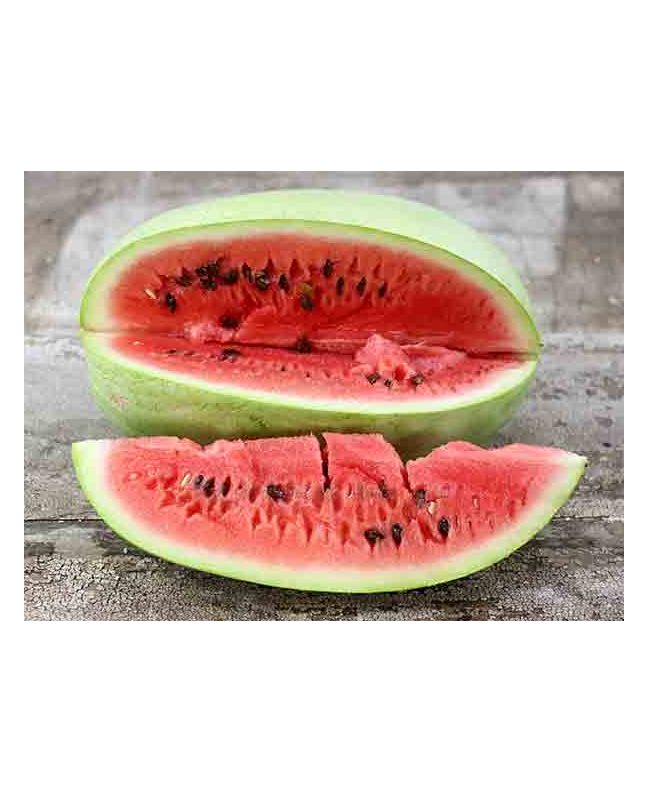
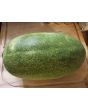
The classic Charleston Gray watermelon, known for its oblong shape, red, fiberless flesh, and tough, medium-thick gray-green rind suitable for making pickles, was once a staple in home gardens and markets. Originating from the USDA Southern Vegetable Breeders Lab in Charleston, South Carolina, in 1954, this variety is celebrated for its seed-spitting potential and requires ample space for vine growth. Esteemed as one of the best All-American watermelons, Charleston Gray delivers super-sweet, full-flavored red flesh in 20-40 lb fruits, yielding abundantly for both home and market use. Perfect for late summer barbecues and picnics, this open-pollinated melon developed by Charles Andrus boasts resistance to Fusarium wilt and anthracnose, with a greenish-gray rind that prevents sunburn. Affectionately known as "that gray melon from Charleston," it averages 22”–26” in length and weighs 25–35 pounds, not seedless, adding a historic touch to any garden.