More Information
| Botanical Name |
Sorghum bicolor |
| Seeds Per Pack |
50 |
| Life Cycle |
Annual |
| Min. Time to Germinate |
4 Days |
| Max. Time to Germinate |
10 Days |
| Depth to Sow Seeds |
1/2 in. |
| When to Sow |
Outdoors after all danger of spring frost is past |
| Growing Height |
8-10 ft. (2.4-3 m) |
| Plant Spacing |
3-6 in. (7-15 cm) |
| Hardiness |
N/A |
| Sun Exposure |
Full Sun |
| Danger |
N/A |
| Foliage |
Grown for Foliage, Herbaceous |
| Other Details |
Average Water Needs; Water regularly; do not overwater, Provides winter interest, This plant is attractive to bees, butterflies and/or birds |
| Soil pH Requirements |
5.6 to 6.0 (acidic), 6.1 to 6.5 (mildly acidic), 6.6 to 7.5 (neutral) |
| Propagation Methods |
From seed; direct sow after last frost |
| Seed Collecting |
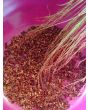
Allow seedheads to dry on plants; remove and collect seeds |
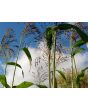
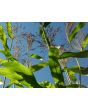
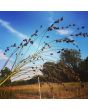
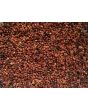
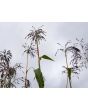
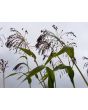
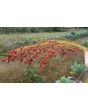
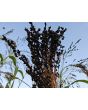
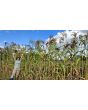
Brooms were traditionally made from the straw-like fibers after stripping off the seeds. Although the plants look similar to corn as they grow, Broom Corn is not related to corn. It is actually a sorghum, another member of the grass family. Instead of growing tassels and ears, it is topped by richly colored shiny seeds. Leave them standing through the winter for a banquet of food for the birds, harvest them for fall decor and dried arrangements, or grow enough to make your own homemade broom.