More Information
| Botanical Name |
Centaurea americana |
| Seeds Per Pack |
25 |
| Life Cycle |
Annual |
| Min. Time to Germinate |
7 Days |
| Max. Time to Germinate |
14 Days |
| Depth to Sow Seeds |
1/4 in. |
| When to Sow |
Indoors 4-6 weeks before last spring frost |
| Growing Height |
36-48 in. (90-120 cm) |
| Plant Spacing |
4-6 ft. (1.2-1.8 m) |
| Hardiness |
USDA Zone 3a: to -35F, USDA Zone 3b: to -30F, USDA Zone 4a: to -25F, USDA Zone 4b: to -20F, USDA Zone 5a: to -15F, USDA Zone 5b: to -10F, USDA Zone 6a: to -5F, USDA Zone 6b: to 0F, USDA Zone 7a: to 5F, USDA Zone 7b: to 10F, USDA Zone 8a: to 15F, USDA Zone 8b: to 20F, USDA Zone 9a: to 25F, USDA Zone 9b: to 30F |
| Sun Exposure |
Full Sun |
| Danger |
Parts of plant are poisonous if ingested, Plant has spines or sharp edges; use extreme caution when handling, Pollen may cause allergic reaction |
| Bloom Color |
Pale Pink |
| Bloom Time |
Late Summer/Early Fall |
| Foliage |
Herbaceous |
| Other Details |
Average Water Needs; Water regularly; do not overwater, Drought-tolerant; suitable for xeriscaping |
| Soil pH Requirements |
6.1 to 6.5 (mildly acidic), 6.6 to 7.5 (neutral), 7.6 to 7.8 (mildly alkaline) |
| Propagation Methods |
From seed; direct sow after last frost, From seed; sow indoors before last frost |
| Seed Collecting |
Allow seedheads to dry on plants; remove and collect seeds |
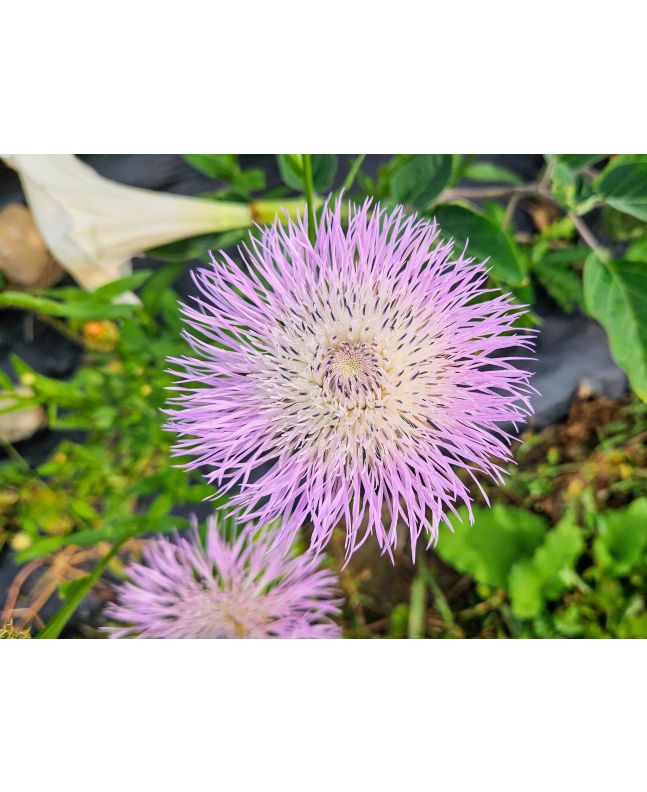
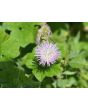
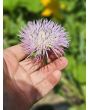
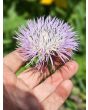
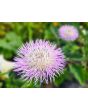
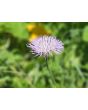
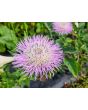
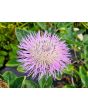
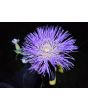
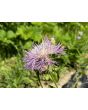
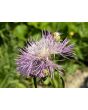
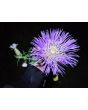
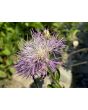
The American Basketflower (Centaurea americana) is a gorgeous native annual wildflower that attracts a wide variety of pollinators, including bees, butterflies, and hummingbirds. Closely related to Bachelor’s Buttons, it features deeply incised foliage and large, pincushion-like blooms that range from 2 to 6 feet tall, depending on soil and location.
Despite its resemblance to some thistle species, the American Basketflower is completely non-prickly, making it an appealing garden choice. Its filamentous petals form intricate 4-inch-wide flower heads, which close at night, adding to its charm. The name "basketflower" refers to the woven, straw-colored bracts beneath each bloom, which resemble a tiny woven basket. With its stout, leafy, much-branched stems and resistance to harsh conditions, this hardy annual thrives in a variety of landscapes, offering both beauty and ecological benefits to pollinator-friendly gardens.