More Information
| Botanical Name |
Cleome hassleriana |
| Seeds Per Pack |
50 |
| Life Cycle |
Annual |
| Min. Time to Germinate |
10 Days |
| Max. Time to Germinate |
14 Days |
| Depth to Sow Seeds |
Surface Sow; press seeds gently into the soil to make good contact, but do not cover with any additional soil; these seeds require light to germinate |
| When to Sow |
Indoors 6-8 weeks before last spring frost, Outdoors after all danger of spring frost is past, Outdoors in early spring, a month before the last spring frost |
| Growing Height |
36-48 in. (90-120 cm) |
| Plant Spacing |
18-24 in. (45-60 cm) |
| Hardiness |
N/A |
| Sun Exposure |
Full Sun |
| Danger |
N/A |
| Bloom Color |
Pink, Purple, White/Near White |
| Bloom Time |
Late Spring/Early Summer, Late Summer/Early Fall, Mid-Summer |
| Foliage |
Aromatic |
| Other Details |
Average Water Needs; Water regularly; do not overwater, Self-sows freely; deadhead if you do not want volunteer seedlings next season |
| Soil pH Requirements |
6.6 to 7.5 (neutral) |
| Propagation Methods |
From seed; direct sow after last frost, From seed; direct sow outdoors in fall, From seed; sow indoors before last frost, From seed; stratify if sowing indoors, From seed; winter sow in vented containers, coldframe or unheated greenhouse |
| Seed Collecting |
Allow seedheads to dry on plants; remove and collect seeds, Properly cleaned, seed can be successfully stored |
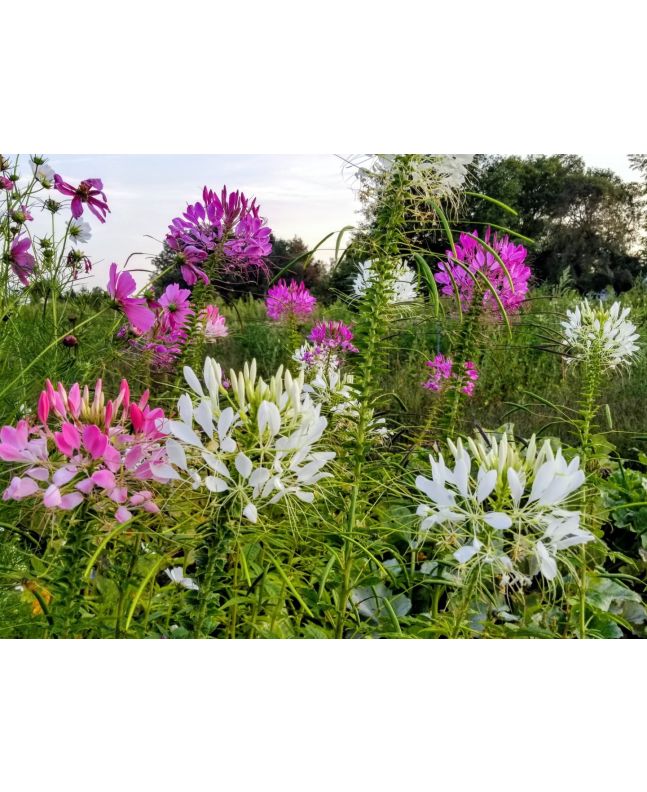
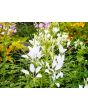
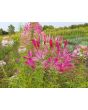
The Spider Flower Mix, a stunning blend of pink, purple, and white Cleome, or spider flowers, has been cherished since the 1800s for its unique, elongated blooms that resemble long, thread-like clusters and seedpods, earning its name. Standing tall at 36-42 inches, and capable of reaching heights up to 6 feet with an equal width, this fast-growing variety is both sturdy and self-supporting, making it a stately presence in the garden. Loved by butterflies, hummingbirds, and other pollinators, the Spider Flower thrives from early summer until the first frost, offering airy blossoms in a mix of rose, pink, purple, and white. Introduced from the West Indies to England in 1817, it features moderately thorny stems and intriguing 4-5" seedpods that resemble spider legs, adding to its allure. This easy-to-maintain plant requires ample space to flourish, bringing a striking visual appeal to any garden setting.